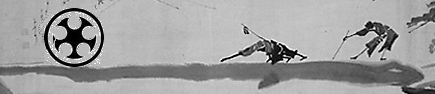
Kenjutsu, the art of swordsmanship, is the most highly respected of all Japanese martial arts. Though other weapon systems preceded the sword in the military history of Japan, none compare in depth and complexity with kenjutsu. Generations of swordsmen devoted their entire lives to the study of every conceivable variation in the use of the weapon. Not satisfied with mere variations in technique, they explored and developed the strategic and philosophical aspects of swordsmanship, penetrating to the spiritual and physical core of conflict itself.

“Matters of Life and Death: Essays in Budō” (2013): The Way handed down across the centuries is not subject to popular consensus or notions of what is reasonable. If one aspires – and that word refers to breathing – to training in Budô, one gives up rights, including the right to an ego. This does not mean Ego will not have something to say about it; each moment, Ego appears anew, in the familiar guise of “myself.” This is normal. When crossing swords, however, we soon discover that normal is worse than useless. The challenge is only whether to engage fully with life, or be driven by previous behavioral patterns. There is no ultimate victory here: the previous moment has no bearing on the present. We are alive, or not, moment by moment, until there are no more moments.
Further information: Ittō Tenshin-ryū® Honbu 本部
 Donguri Dōjō